
Healthcare access can outweigh a cheaper monthly budget
A city can look affordable until routine care, specialists, emergency access, prescriptions, or Medicare network fit become inconvenient. For retirement planning, the question is not just whether a hospital exists nearby. It is whether the care you are likely to need is practical from your neighborhood, budget, and transportation setup. A lower-cost town may still be a good fit, but only if the nearby care network matches your likely needs and does not require constant long drives.
- Check hospital access, specialist depth, pharmacy access, and emergency travel time.
- Look for larger regional care anchors near smaller towns.
- For international cities, separate private-care access from public-system eligibility.
Insurance and climate risk can change the math
Warm coastal places can be attractive, but insurance, storm exposure, heat, humidity, and air quality may add costs that do not show up in a simple rent comparison. A lower-cost city with higher climate exposure may still work, but it needs a different budget cushion. Before treating a place as affordable, compare the risk that affects housing insurance, evacuation planning, seasonal utility bills, and the number of months you will actually enjoy being outside.
- Compare homeowners or renters insurance before treating a city as affordable.
- Check heat, hurricane, wildfire, flood, and air-quality patterns.
- Consider seasonal utility costs, especially air conditioning and heating.
Transportation costs hide inside lifestyle choices
A quiet town may cost less on paper but require more driving, more car maintenance, and longer trips for appointments, airports, shopping, and family visits. Walkability, transit, and airport access are not lifestyle extras for many retirees. They are budget and independence factors. The real question is whether daily errands and important appointments stay easy if you drive less, share one car, or need help getting around later.
- Estimate whether one car is realistic or whether two vehicles remain necessary.
- Check airport access if family visits or return trips matter.
- Look at errands, grocery access, parks, and basic services near likely neighborhoods.
Taxes and residency rules are not the same everywhere
State taxes, property taxes, sales taxes, pension treatment, Social Security treatment, and local fees can change the total picture inside the United States. Abroad, visa rules, minimum income rules, health insurance requirements, currency exchange, and tax residency can matter as much as headline cost of living. A city that looks cheap in a list can become less compelling if the paperwork, tax treatment, or required private coverage does not match your income and household setup.
- Compare tax treatment for the income sources you actually use.
- For international moves, confirm visa duration, renewal rules, and income requirements.
- Build a buffer for currency swings and cross-border paperwork.
Sample city reports to use with this checklist
Open these examples as proof-of-value pages. The deeper workflow is comparing, saving, filtering, and building a shortlist around your own priorities.

Affordable U.S. city with regional amenities
Greenville
South Carolina, United States
Useful for comparing everyday affordability with healthcare access, airport access, and lifestyle depth.
Watch for: Check neighborhood-specific transportation needs and housing cost changes.
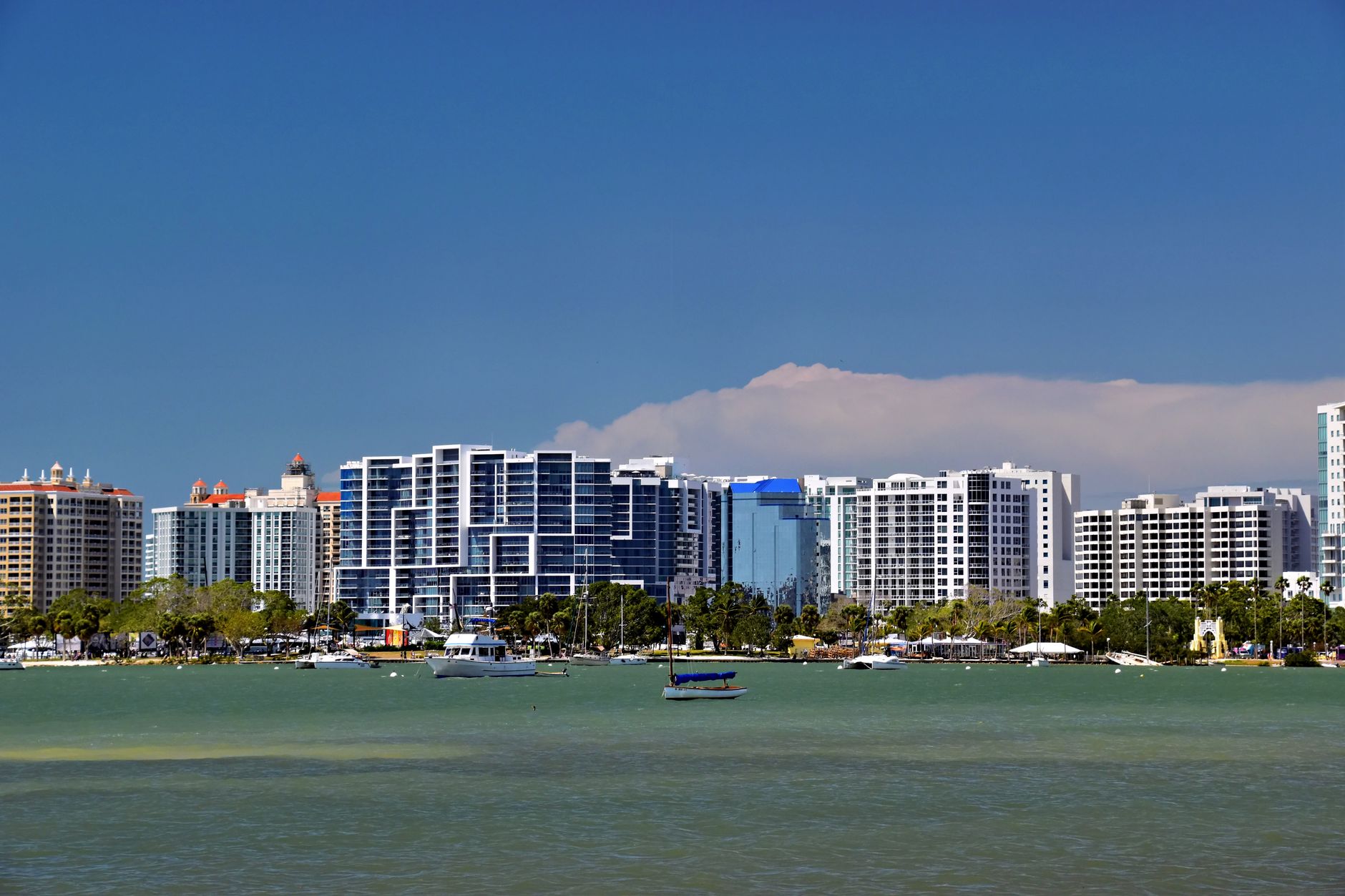
Popular coastal retirement market
Sarasota
Florida, United States
Useful for seeing why lifestyle appeal, healthcare access, insurance, and housing costs must be evaluated together.
Watch for: Coastal insurance, storm exposure, and seasonal demand can change the true monthly cost.

Dry-climate city with strong healthcare context
Tucson
Arizona, United States
Useful for comparing climate preference, healthcare access, outdoor lifestyle, and summer heat tradeoffs.
Watch for: Heat, car dependence, and neighborhood choice matter for daily comfort.

International city with lower-cost appeal
Mérida
Mexico
Useful for comparing local cost advantages with healthcare, language, residency, and heat considerations.
Watch for: Confirm visa rules, private healthcare costs, humidity, and flights back to family.

International capital with strong lifestyle pull
Lisbon
Portugal
Useful for comparing healthcare, walkability, flight access, and the premium attached to popular expat destinations.
Watch for: Housing pressure and residency requirements can reduce the apparent cost advantage.
Retirement relocation checklist
- Medical accessHospitals, specialists, emergency care, prescriptions, and insurance fit.
- Housing stabilityRent volatility, property taxes, HOA fees, insurance, and maintenance.
- Climate exposureHeat, storms, wildfire, flooding, humidity, air quality, and utility costs.
- TransportationCar dependence, airport access, errands, public transit, and ride availability.
- Tax and residency rulesState tax treatment, international visas, health insurance requirements, and currency risk.
- Social infrastructureSenior services, year-round community, clubs, volunteering, and family access.
Turn this checklist into a city shortlist.
Use Retire City Finder to compare budget, healthcare, climate, safety, and lifestyle fit across real city reports instead of relying on a generic retirement list.
Social fit can become a cost if you need to move again
The most expensive retirement move is often the second move. If a city lacks the community, climate, healthcare, or family access you expected, the cost is not just financial. A better shortlist should filter for daily life before you relocate. Treat social fit as a practical cost: loneliness, family travel, limited senior services, or a poor seasonal fit can make an otherwise affordable city hard to stay in.