Start with care access, not the forecast
A warm city can be attractive, but healthcare should be one of the first filters for a retirement move. Look beyond whether a hospital exists somewhere in the metro area. Check the hospitals, specialists, primary care access, urgent care, pharmacies, and emergency routes that are realistic from the neighborhoods you would actually consider. A city with strong regional healthcare may still be inconvenient if you need to drive too far for routine appointments.
- Use Medicare Care Compare and local provider directories as a starting point, then verify your own doctors and insurance network.
- Check specialists tied to your likely needs, not only the largest hospital system.
- Map routine appointments, pharmacies, urgent care, and emergency rooms from realistic neighborhoods.
Warm and comfortable are not the same thing
Many retirees want mild winters, but warm places can bring summer heat, humidity, sun exposure, and long cooling seasons. Older adults and people with chronic conditions can be more vulnerable to heat, so climate comfort should include the toughest months, not just the average winter. A city can still be a good fit, but the plan should include air conditioning, shaded errands, indoor exercise options, and a realistic view of how many months you will enjoy being outside.
- Compare the hottest months and humidity, not only winter lows.
- Ask whether daily errands are still comfortable during summer afternoons.
- Plan for cooling costs, shaded walking routes, and indoor recreation.
Air quality matters more as health needs rise
Warm places can have ozone, wildfire smoke, particle pollution, or seasonal air-quality swings that affect older adults and people with heart, lung, diabetes, or stroke risk concerns. This does not mean every warm city is a poor choice. It means air quality belongs in the same conversation as hospitals and climate. If you are comparing two otherwise appealing cities, the cleaner-air pattern and the ability to avoid bad-air days can become a meaningful quality-of-life factor.
- Check local air-quality patterns and whether bad days are seasonal or frequent.
- Consider indoor air filtration, especially if you have respiratory or heart concerns.
- Balance outdoor lifestyle appeal against the days when staying indoors is the better choice.
Coastal healthcare markets can carry extra costs
Warm coastal cities often combine strong healthcare access with higher housing costs, insurance pressure, storm planning, and seasonal demand. That does not make them bad retirement choices, but it changes the budget. A place with excellent hospitals can still be hard to afford if homeowners insurance, rent, HOA fees, flood risk, or car costs are higher than expected. Treat coastal appeal as a premium you need to price, not a free lifestyle upgrade.
- Compare homeowners or renters insurance before trusting the monthly budget.
- Check storm, flood, evacuation, and backup-power planning.
- Look at off-season and peak-season traffic around hospitals, airports, and daily errands.
The best fit is usually neighborhood-specific
A city can score well for healthcare and climate while still having neighborhoods that are too isolated, too expensive, too car-dependent, or too exposed to heat and flooding. Before committing, compare the daily radius where you would actually live: grocery stores, pharmacies, parks, clinics, hospitals, social activities, and airport access. Warm-weather retirement works best when the nice climate supports your routine rather than forcing a long drive for every appointment or errand.
- Shortlist neighborhoods near the care, errands, and activities you expect to use weekly.
- Test the city in the hardest season, not only during the best weather window.
- Use a trial stay before selling a home or signing a long lease.
Sample city reports to use with this checklist
Open these examples as proof-of-value pages. The deeper workflow is comparing, saving, filtering, and building a shortlist around your own priorities.
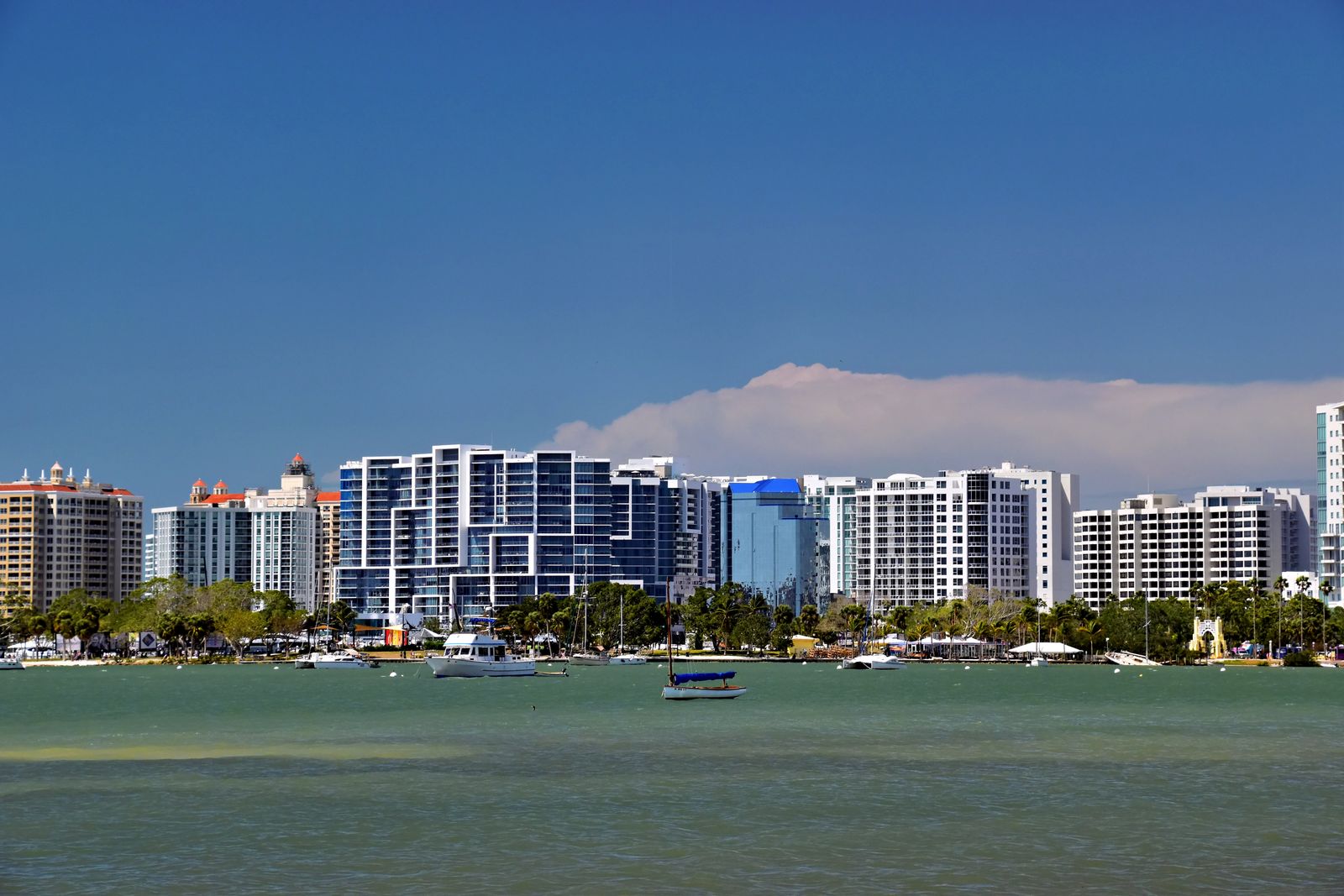
Warm coastal retirement market with strong healthcare signals
Sarasota
Florida, United States
Useful for comparing healthcare access, lifestyle appeal, Gulf Coast weather, and the premium attached to a popular retirement market.
Watch for: Review coastal insurance, storm exposure, summer humidity, and housing costs before treating it as a simple warm-weather choice.

Dry-climate city with excellent healthcare context
Tucson
Arizona, United States
Useful for comparing desert warmth, specialist access, outdoor lifestyle, and lower humidity against intense summer heat.
Watch for: Summer heat, car dependence, and neighborhood choice can affect comfort and healthcare convenience.

Warmer inland option with regional healthcare depth
Greenville
South Carolina, United States
Useful for comparing a warmer inland city with strong healthcare context and a different cost profile than coastal retirement markets.
Watch for: Check neighborhood safety, summer humidity, and whether daily errands require more driving than expected.
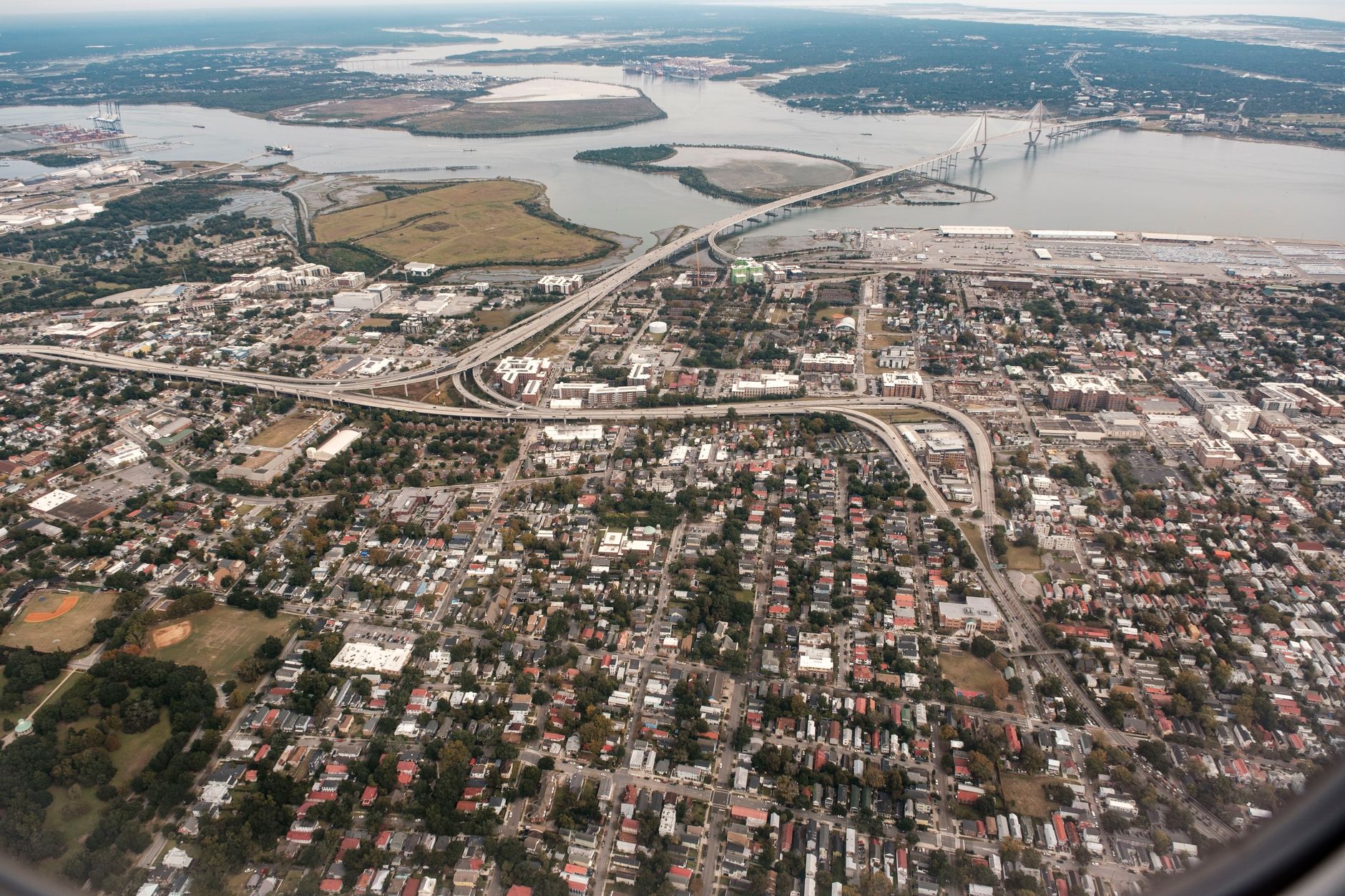
Warm coastal city with major lifestyle appeal
Charleston
South Carolina, United States
Useful for comparing healthcare access, airport access, coastal lifestyle, and the costs that come with a high-demand city.
Watch for: Housing cost, flood exposure, humidity, storm planning, and tourism pressure can change the fit.

Gulf Coast city with strong healthcare and lifestyle appeal
St. Petersburg
Florida, United States
Useful for comparing a warm urban-coastal lifestyle with excellent healthcare signals and higher insurance and housing pressure.
Watch for: Review coastal risk, hurricane planning, car needs, and total monthly cost before committing.
Retirement relocation checklist
- Hospital and specialist accessCompare hospitals, specialists, primary care, urgent care, pharmacies, and emergency routes from likely neighborhoods.
- Insurance fitVerify Medicare Advantage, Medigap, prescriptions, preferred providers, and out-of-network exposure before moving.
- Heat and humidityCheck hottest months, humidity, cooling costs, shaded errands, and whether you can stay active in summer.
- Air qualityReview ozone, particle pollution, smoke risk, and whether health conditions make bad-air days more important.
- Coastal and storm costsPrice homeowners or renters insurance, flood risk, evacuation plans, backup power, and seasonal traffic.
- Daily-life radiusMap groceries, pharmacies, clinics, parks, social activities, airport access, and transportation options.
Compare warmth and healthcare in the same shortlist.
Use Retire City Finder to compare warm retirement cities by healthcare, climate, budget, safety, and lifestyle fit before narrowing to neighborhoods.